
Arch Cleat Cycling Shoes
I have heard a lot about this modification but never gave it too much thought since I don’t have the “hot foot” or “numb toes” some folks have. Then there is my lovely wife. She gets numb toes and feet on her trike so let’s see what we can do about it.
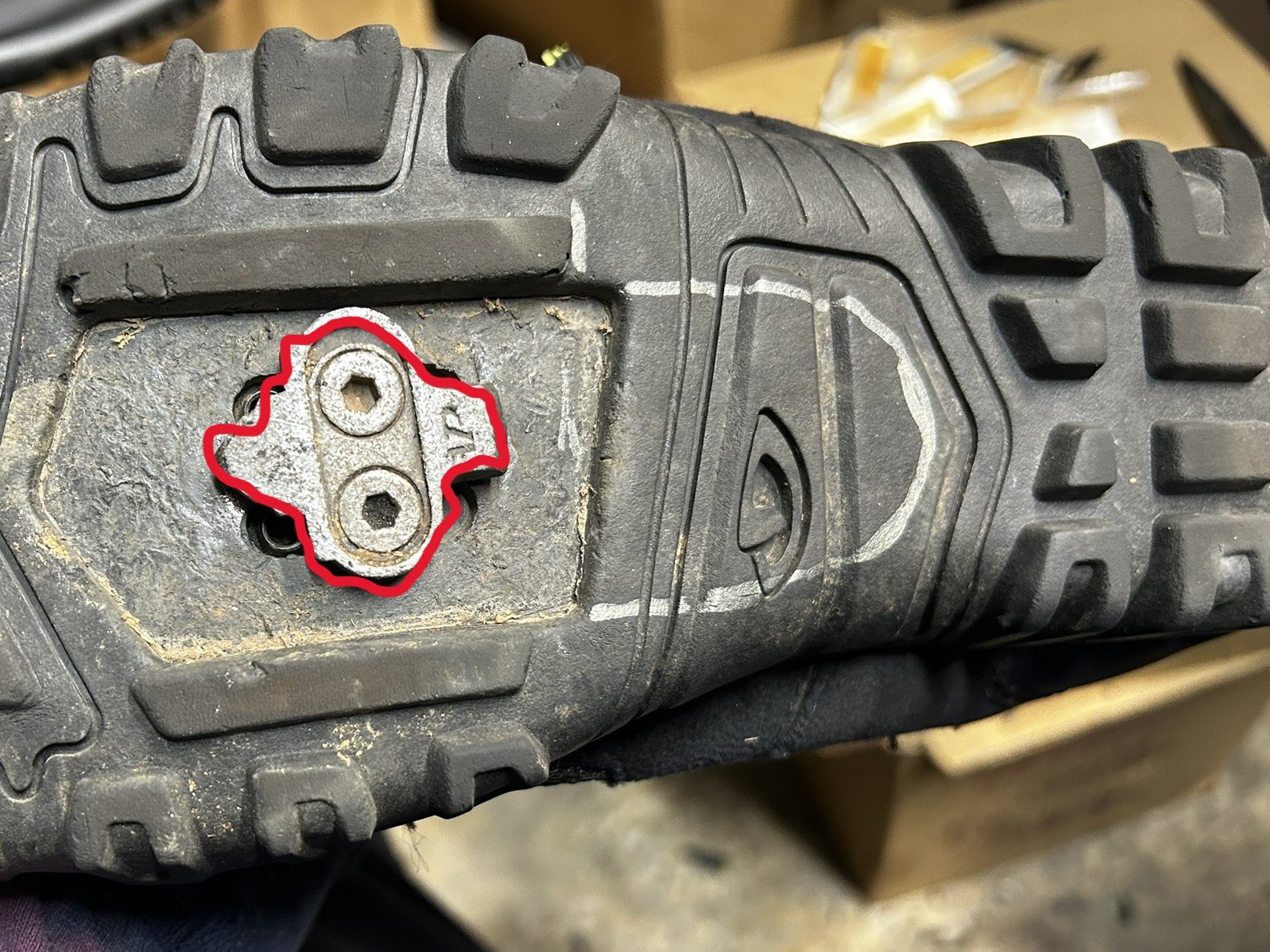
Her Giro shoes have enough space that they looked like good candidates for the operation.
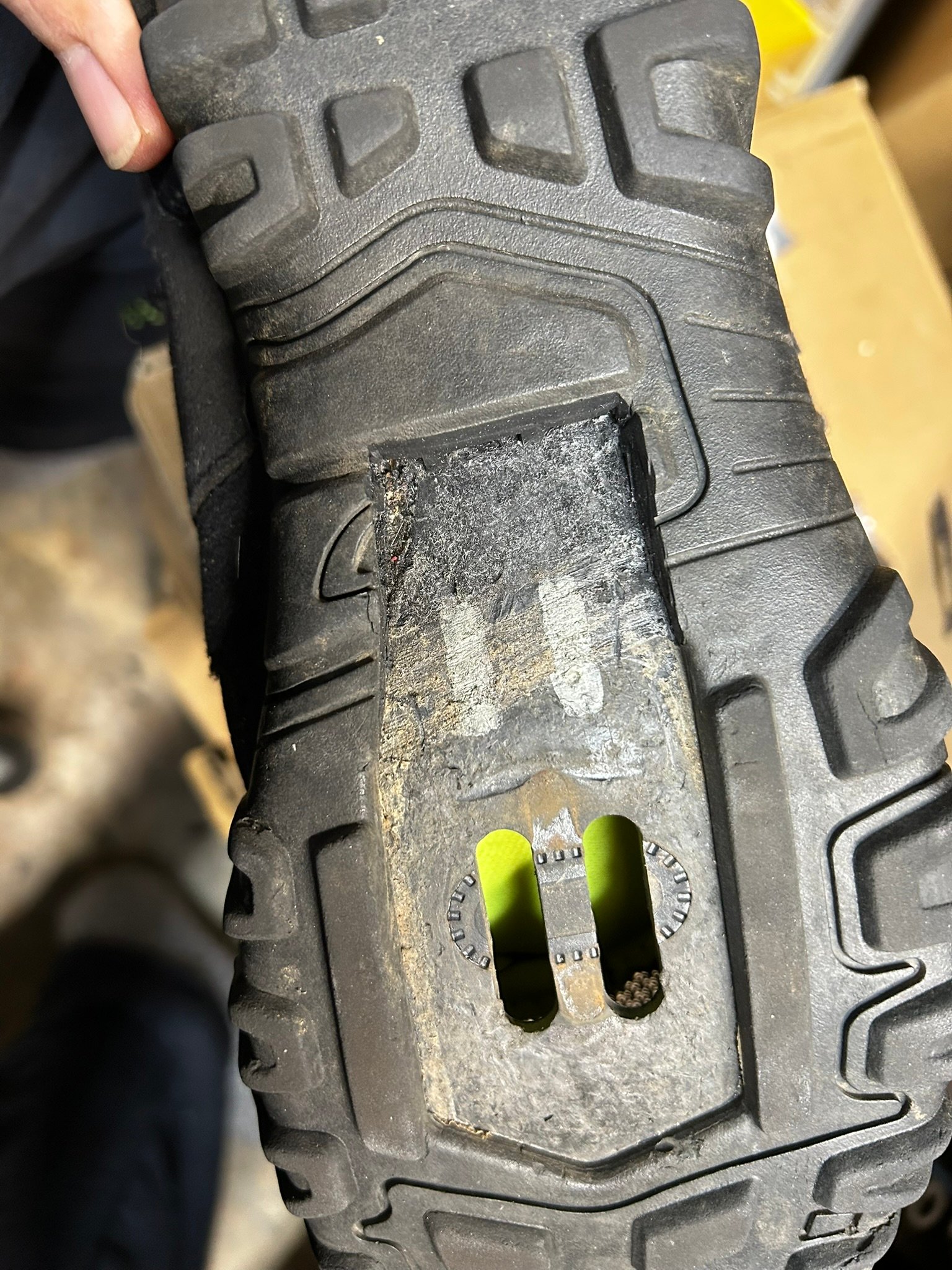
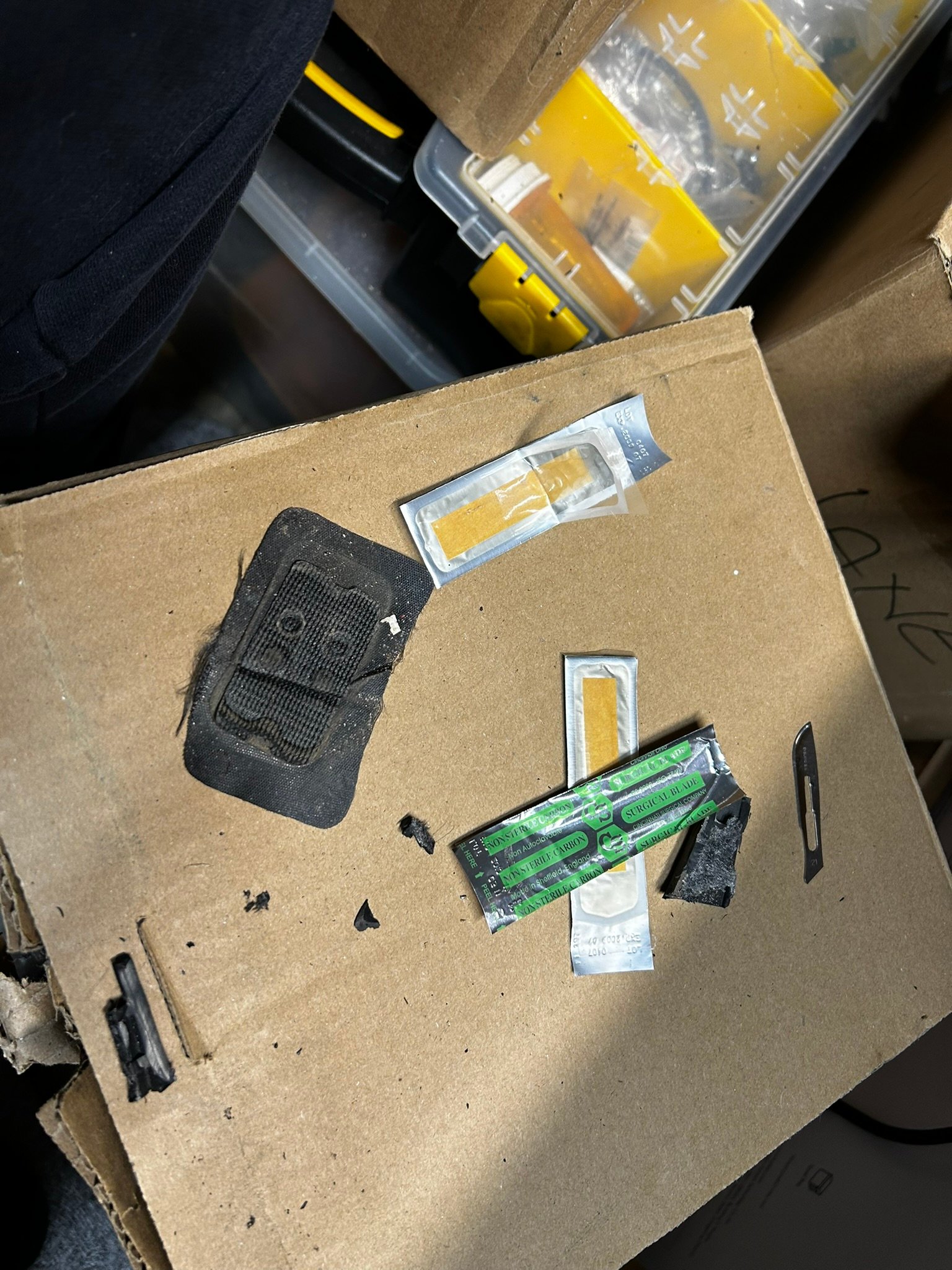
The op entailed cutting off the bottom rubbery portion of the shoe until you get to the hard foot plate.
- Remove the insole
- Remove the existing clips, lugs
- Draw your proposed cut-out
- Cut away
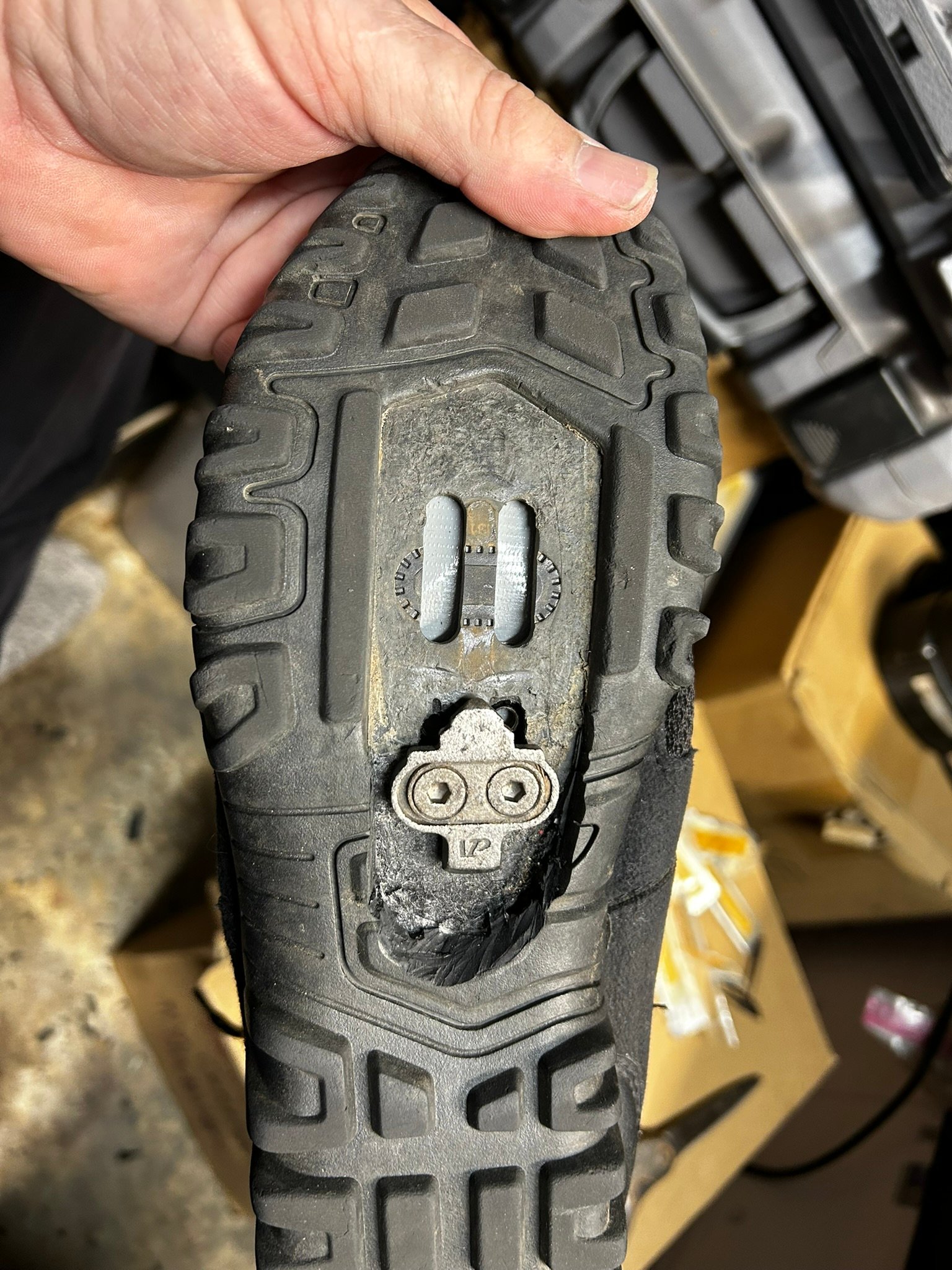
Once you get your area cut out. Trace in the outline of the slots for the lugs. I drilled the ends of the slots and tried my Dremel® to make the slot but it looked pretty sloppy so on number two I used an auger bit and joined the holes to form the slot. I forgot I had a sweet little drywall cutter that would probably have given great cuts.
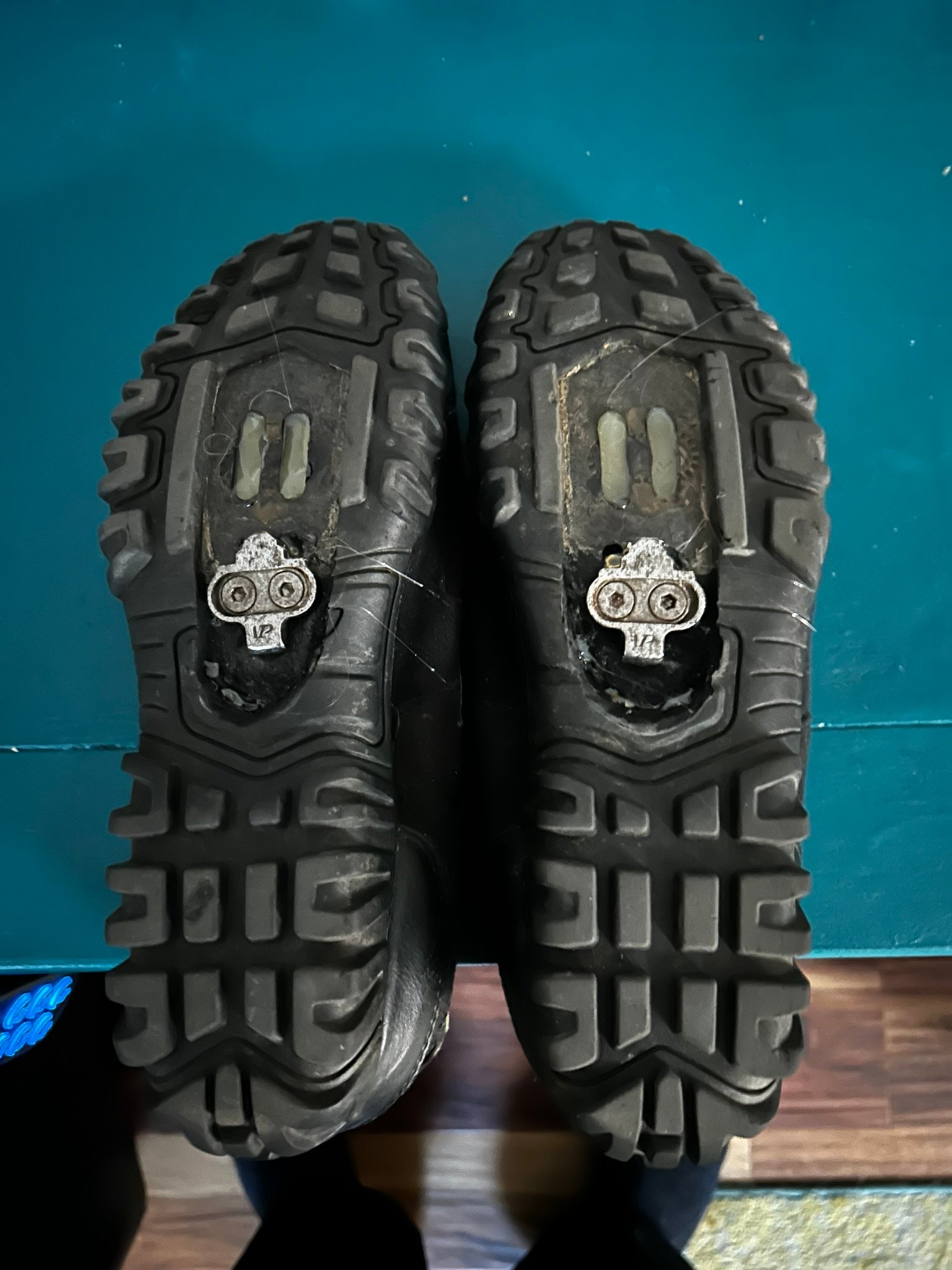
Once the slots are cleaned up inside the shoe and out, I put the lugs in place and screwed them down. The original screws are pretty short but with a bit of pushing they did get tightened down. The problem is they are just about 3mm too short and you will not find 3mm longer screws. The best would probably be 5mm and that would protrude into the shoe. Probably the best idea would be to but the longer screw and then cut them off just a little bit.
This pic of the final product has some hot glue added to the original slots just to maybe keep her feet a little dryer. I also added a but of hot stuff to the small voids in the rubbery sole.
I know someone will say, “you cheapskate, why did you use the old lugs that are really beat up?” Well, this is an experiment so if she likes what I have done to her shoes, I will put some new lugs in place and be sure I Loctite® the slightly longer screws.
Equipment I used:
- Silver colored marker pen
- 5 #10 scalpel blades and 1 #11 blade (any sharp blade could work)
- Hot glue
- Large load of patience and caution. This rubbery sole is hard and a slip with a blade…
- 3mm longer screws (future if successful)
Hope you enjoyed this, feel free to make constructive comments on the facebook® post.
Dress for Success!
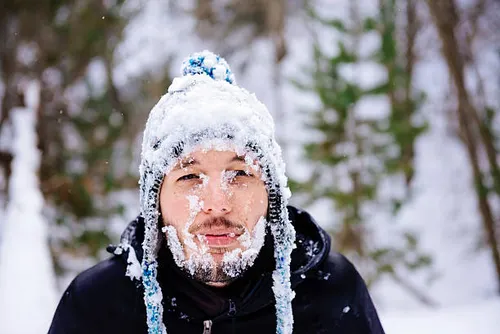
This is probably not what you think it is. This success is defined by being properly dressed for the weather you find yourself riding through. Whatever Mother Nature throws at you, you can still have a great time if you are properly prepared and dressed appropriately. It would be difficult for me to live in a place where it is too cold to be outside and not being able to ride for weeks at a time. We are fortunate here in NC an do not often have unbearable riding weather for any length of time. And snow, when we get it, lasts but a few hours or at most a few days.
The winter is a great time to work on the rider you want to be next season. Riding outdoors in the winter comes with a number of challenges, but they all have relatively easy solutions. With a bit of planning and maybe a few purchases, you can make riding outdoors in winter safer, more comfortable, and more enjoyable. And if you can do that, you will increase the likelihood you’ll actually get out there and ride instead of taking a weather-related day off.
Layers, layers, layers
You have heard it before and it holds true. Your base layer should be moisture wicking. That means the moisture your body generates will pe pulled away from your skin and allowed to evaporate away. I use thin nylon or a very fine wool base layer.
Mid layers should be thicker and bulkier to provide the air that is so important for good insulation.
The outer layer (shell) for me is a wind/water proof layer with vents so the moisture can get out. Moisture is your enemy. If you are moist, you will be cold. Sweat moves heat away from your body 25 X faster than air so wet=cold. Getting wet during a cold ride can lead to serious problems, quickly.
Modify these layers to fit your particular weather but keep the same basic idea. Maybe an insulated shell is called for or maybe just the base and lighter mid layers are all that is needed today. If you feel yourself sweating then remove a layer. If you use the layering philosophy you will be able to ride throughout the entire winter.
Extras
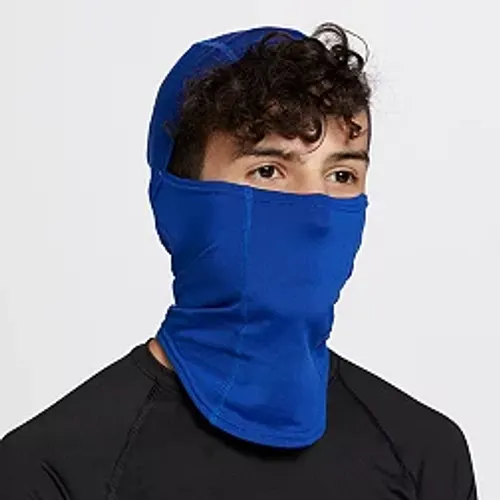
Hands, feet and neck people. Hands feet and neck. There is a fine line between gloves that are too bulky and those that do not keep you warm. A thin driving glove covered with a heavier ski glove will give you layering and you’ll still be able to access your shifters and brakes. I am loving merino wool and alpaca wool socks for the warmest feet ever. Although they are a bit pricey, I am well worth it. For your neck and head I have 2 balaclavas, not to be confused with baclava, the Turkish pastry. One is thin and one is fleece lined. I wear the fleece on when it is very cold and the other when it is not so cold. I use them as neck and face covers too. I also use a neck gator or wrap. I have used a wool scarf but make sure that it is completely tucked in and has no chance of getting away and into your drive train. That will ruin your day.
It’s great to think of yourself as a hardened, tough athlete who can brave the elements to complete a workout or enjoy the outdoors in winter. But when conditions deteriorate or you are getting too cold to continue safely, make the smart decision to shorten your route or find shelter and call for a ride home.

Religion of the Chain
My chain just needs a good cleaning!!
How much rust is too much?
My dad once said that everyone has an opinion. He then proceeded to tell me exactly what most of those opinions are worth. This topic is sorta like that. Few things get more traction or generate more divergent opinions than when someone asks the simple question, “How do you take care of your chain?” Simple enough on it’s surface but oh what a divisive subject. Couples have divorced over far less than the differences found on chain maintenance. For some it is a simple, lubricate it and ride. For others it is a religion complete with all the trappings that come from the most intricate of ceremonies.
“On the morning of the autumnal equinox, accompanied by a virgin, arise before the sun. Address the morning by facing the East and bowing to the primal forces of nature. As the sun climbs into the ……..” and so it goes.
I tend to fall somewhere in the middle. I lube regularly as I am certain it makes shifting cleaner and more efficient. My selection of lubricants has changed over the years and I expect I still have many new lubes to try (“There’s always time for lube”). Currently I use a teflon based dry lube and it seems to work well. I apply it usually every couple hundred miles just prior to a ride and then wipe the chain down both before and after the ride. My trusty 3in1 oil can comes in handy for the brake pivots and idler wheels but I never use a spray on anything. Not because they are ineffective but because if I am just a bit sloppy the overspray makes for some exciting moments trying to stop. As far as cleaning goes, I remove my chain in the spring and again in the fall and drop it into a big plastic bottle of mineral spirits, shake, soak overnight, shake again and dump. If it is extremely grungy I may change the spirits and shake once more. Dry and reinstall. I definitely subscribe to the KISS principle of chain maintenance. I recently added a set of heavy magnets under the plastic jug. These seem to grab a bit of metal filings so it makes me happy.
A clean cassette is a happy cassette!
Like I said, over the years my choice of lube has changed. I have used 30w motor oil, wax based lubes, teflon/dry lubes, and once even chain saw oil. At times these changes were related to my income level as much as personal preference. My reality is, some were easier to use, some left me with more gunk build-up, but all lubed with equal efficiency when used as directed.
I have used those really cute little machines to brush each link as it is passed through and even listened to fellows who hand brushed each link with the precision of an oral hygienist and soaked their chain in some sort of toxic, flammable liquid that made it shine like new. My mineral spirits and plastic bottle works well and is easy to use so I will probably stay with it and be happy. In a really dusty summers I might add an extra cleaning in there but usually 2x a year keeps me and my chainrings happy.
Even with the collected road grime the chain is still looking good.
All in all, I will sum this up with, Lube regularly with (insert choice here). Clean regularly (insert frequently here). That is all I have to say about that, besides, the autumnal equinox is fast approaching and I have a ceremony to prepare.


